Keep Rabbits Out of Your Garden Naturally and Safely
Rabbits vs. Ontario Gardens
Fall in Ontario is a particularly active season for rabbits. Many homeowners are faced with an uninvited challenge, Rabbits. These small, furry creatures may look harmless, but when it comes to your garden, they can cause major headaches.
From chewing on tender lettuce leaves to stripping bark from young trees, rabbits are surprisingly destructive.
As the weather cools, they seek out extra food to build reserves for the winter ahead. This often means raiding vegetable patches, ornamental flowers, and even shrubs.
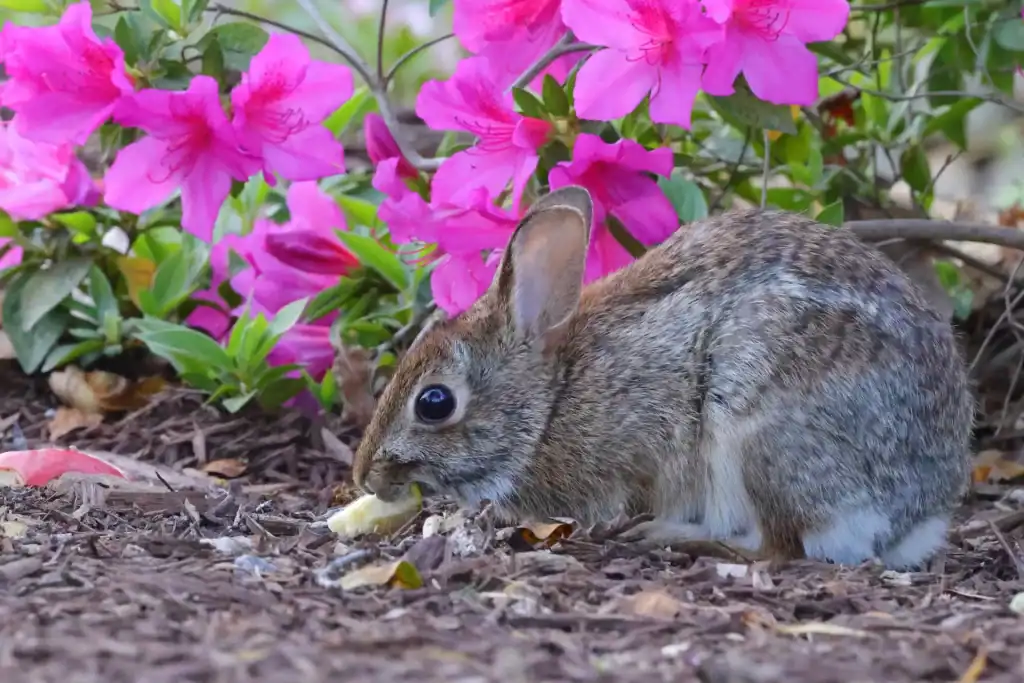
For homeowners who have invested time, effort, and money into cultivating a thriving landscape, it is frustrating to watch rabbits undo months of hard work in a single night.
The good news? You don’t need to resort to harsh chemicals or harmful traps to protect your garden. With the right strategies, you can keep rabbits out naturally, humanely, and effectively.
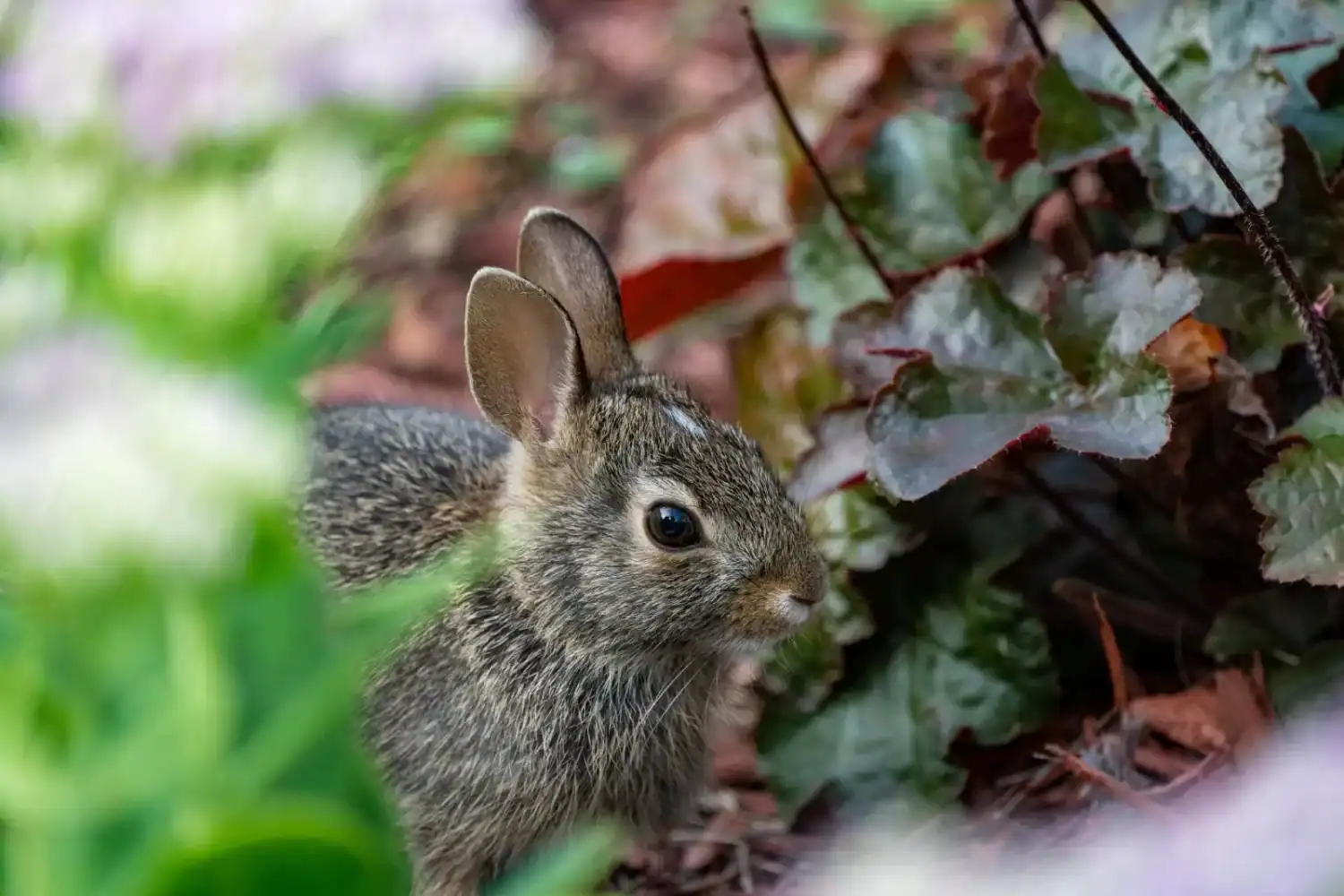
Understanding Rabbits in Ontario
In the Greater Toronto Area and much of Ontario, the most common species is the Eastern Cottontail Rabbit. They are small, typically brownish gray with a fluffy
white tail, and are active mostly at dawn and dusk.
Here are some key behaviors every gardener should know:
Diet: Rabbits love tender greens, leafy vegetables, flowers, herbs, and in fall, bark and twigs.
Access: They can squeeze through surprisingly small gaps and are capable diggers.
Reproduction: Rabbits reproduce rapidly. One pair can lead to multiple litters in a single season, so a small problem can become a big one quickly.
Seasonal Habits: In summer, they go for greens and vegetables. In fall and winter, they often gnaw on bark and woody plants when other food sources are limited.
While it may be tempting to eliminate the problem entirely with chemical repellents or traps, these methods often cause more harm than good. Not only can they hurt pets, children, and beneficial wildlife, but they can also damage the soil and disrupt your ecosystem. A natural, safe approach is far more sustainable and effective in the long run.
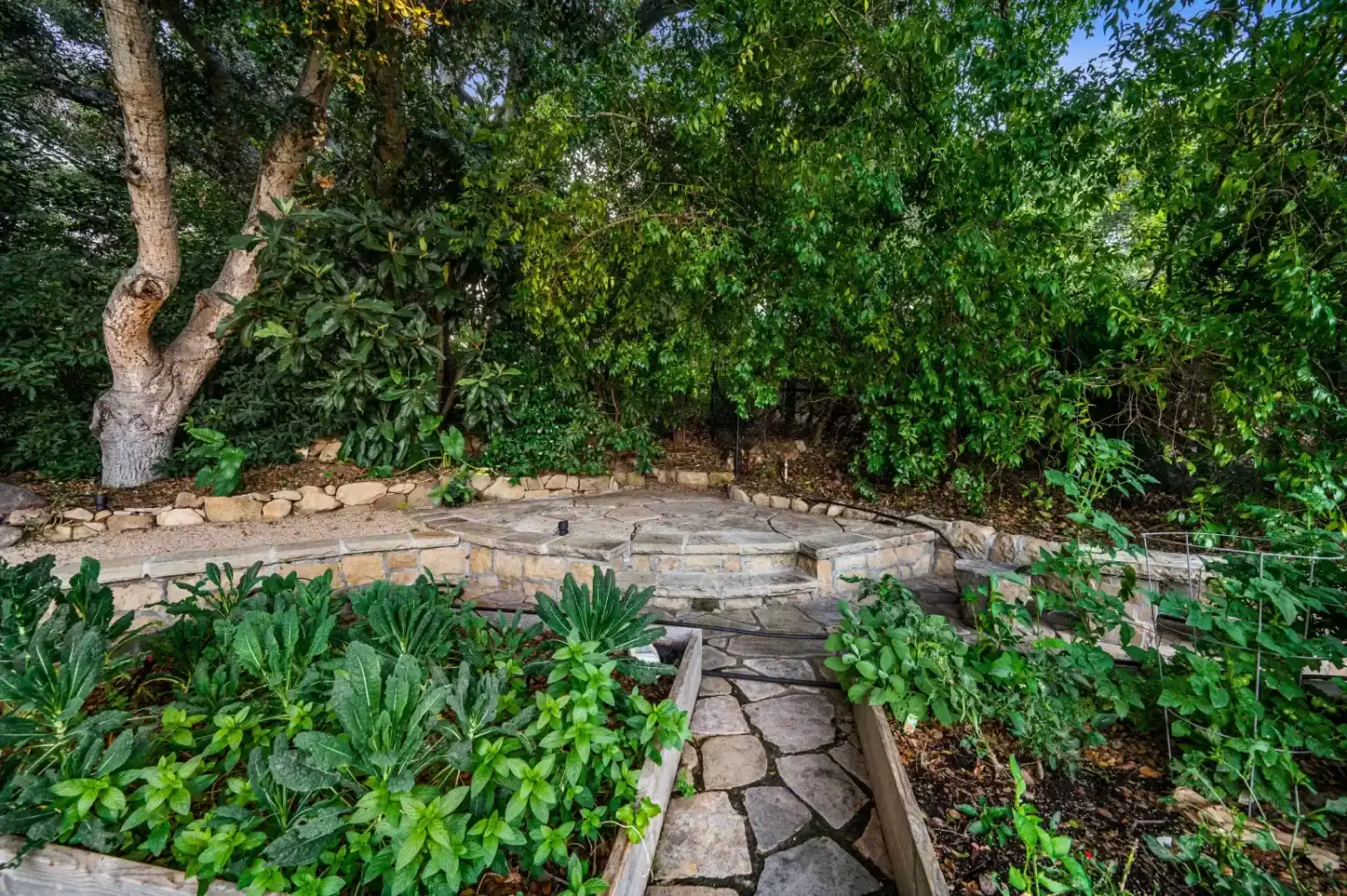
Why Natural and Safe Methods Matter
- Eco‑friendly: No toxins introduced into soil or water.
- Safe for families: Kids and pets can play outdoors without risk.
- Sustainable: Rabbits are part of Ontario’s ecosystem and feed larger predators.
- Effective long‑term: Maintain season after season without side effects.
1. Physical Barriers: The Most Reliable Defense
A. Fencing
A properly installed fence is the most foolproof solution. Rabbits aren’t strong climbers, but they are skilled diggers. The ideal rabbit‑proof fence:
- Material: Chicken wire or hardware cloth with openings ≤ 1 inch.
- Height: At least 2–3 feet tall.
- Depth: Bury 6–8 inches underground to prevent digging.
- Durability: Check posts after freeze‑thaw cycles in Ontario.
Tip: Angle the fence outward at the base for extra protection.
B. Raised Garden Beds
Raised beds make gardening ergonomic and help keep rabbits at bay. Paired with low fencing, they’re even more effective.
C. Tree and Shrub Protection
In fall and winter, rabbits may strip bark from young trees. Protect trunks with hardware cloth or tree guards, install spiral plastic protectors, and ensure protection extends at least 2 feet above snow level.
2. Plant‑Based Repellents: Using Nature Against Nature
Rabbits rely on smell and taste to choose food. Plant species they dislike to form a natural barrier.
A. Strong‑Smelling Herbs
- Garlic
- Onions
- Mint
- Oregano
- Lavender
These aromatic plants make it less appealing for rabbits to approach nearby crops.
B. Companion Planting
Plant rabbit‑resistant flowers around vegetables. Marigolds, snapdragons, and alliums deter rabbits while adding colour.
C. Native Ontario Plants Rabbits Avoid
- Coneflowers (Echinacea)
- Black‑eyed Susans
- Bee Balm
These provide pollinator‑friendly blooms while keeping rabbits at bay.
3. Homemade Rabbit Repellents (Safe and Effective)
Garlic & Hot Pepper Spray
- Mix 5 cloves crushed garlic, 1 tbsp cayenne, and a few drops of dish soap in 1 litre water.
- Steep overnight, strain, and spray plants.
- Reapply after rain.
Soap Shavings
Scatter strong‑scented soap shavings around the garden; rabbits avoid the smell.
Blood Meal Fertilizer
Sprinkle blood meal around plants; it nourishes soil and discourages rabbits.
Egg Spray
Whisk 2 eggs in 1 litre of water and lightly spray plants. The odour deters rabbits, but fades for humans after drying.
Tip: Reapply natural sprays after heavy rain—Ontario weather can be unpredictable in fall.
4. Garden Maintenance: Keep It Tidy
- Mow grass regularly.
- Clear brush piles and tall weeds.
- Harvest vegetables promptly—don’t leave fallen or uneaten produce.
- Rotate crops each season to confuse pests.
Fall cleanup is critical. Clearing debris before snow reduces winter hiding spots.
5. Humane Deterrents Beyond Plants
- Motion‑activated sprinklers: Startle rabbits without harm; also helps with raccoons and skunks.
- Reflective surfaces: Tape, foil strips, or old CDs deter with light and movement.
- Ultrasonic devices: High‑frequency sounds rabbits dislike (less effective in heavy snow or if obstructed).
6. Predators and Natural Balance
Encourage natural predators to help control populations.
- Owls and hawks: Consider installing owl boxes.
- Dogs: Even their scent may discourage rabbits.
Balance: Avoid creating conditions that attract unwanted wildlife (e.g., coyotes).
7. Long‑Term Landscaping Strategies
- Use gravel borders around flower beds.
- Combine rabbit‑resistant ornamentals with edibles.
- Install layered plantings—if access isn’t straightforward, rabbits often give up.
Work with experts (like My Landscapers Inc.) to design layouts that balance beauty with function.
8. Seasonal Ontario Garden Tips
- Fall: Protect bark, clear debris, cover late veggies.
- Winter: Maintain fencing; check for burrowing under snow.
- Spring: Begin companion planting; refresh repellents.
- Summer: Keep fencing and deterrents in top condition.
Rabbits may be part of Ontario’s natural landscape, but they don’t have to take over your garden. With smart strategies—from fencing and companion planting to DIY sprays and seasonal maintenance—you can protect plants without harming wildlife.
Need a Hand Making Your Garden Rabbit‑Resistant?
At My Landscapers Inc., we help GTA homeowners design gardens that thrive, stay beautiful, and remain pest‑resistant. Whether you need seasonal fall cleanup, landscaping design, or sodding solutions, we’ll craft the right plan for your property.
FAQs
Which plants do rabbits hate?
Rabbits usually avoid lavender, onions, garlic, coneflowers, and yarrow, so plant them along your garden border to enclose it.
Can I keep rabbits out without a fence?
Yes—pair strong‑smelling plants, repellents, and motion sprinklers for protection. However, fencing remains the most reliable option.
Get Professional Lawn Care Services
Contact us to get the most beautiful lawn in your neighbourhood.
Rabbit-Proof Garden FAQs: Eco-Friendly Protection Tips
My Landscapers are experts in lawn care in Toronto and the GTA, offering premium landscaping services citywide.
From sodding to general lawn care, yard clean-up, snow removal in winter, interlocking stone work services, and more, we can help you craft the perfect exterior for your property.
Our team works every day with clients all over Toronto and have been for over a decade, helping them create the perfect lawns and landscaping designs. We’ll help you create and maintain the perfect lawn, ensuring the growth is even, thriving, and well-maintained over the course of the growing season.
If you need assistance cutting your lawn and making the most of your property’s landscaping, contact My Landscapers today.