Choosing the Best Fencing Materials: An Expert Guide
By Dan B, My Landscapers Inc.
Choosing the right type of fencing involves understanding the various materials available, their costs, and their respective advantages and disadvantages. Fencing not only serves as a boundary but also plays a crucial role in enhancing the aesthetic appeal of your property. This guide will help you navigate through popular fencing materials, providing insights on wood, vinyl, chain link, aluminum, and steel fences. By considering attributes like durability, maintenance requirements, and installation costs, you can make an informed decision. We will delve into key topics such as common fencing materials, installation prices, and how to choose the best fence based on your needs.
What Are the Most Common Fencing Materials and Their Characteristics?
Fencing materials significantly influence the overall look and utility of your fence. Common options include wood, vinyl, chain link, aluminum, and steel, each with its distinct characteristics. Wood fencing is favored for its natural appearance and versatility, while vinyl is known for its low maintenance and durability. Chain link offers affordability and visibility, making it practical for security purposes. On the other hand, aluminum and steel provide strength and longevity, suitable for decorative and high-security needs.
How Does Wood Fence Cost and Durability Compare?
Wood fencing typically ranges in cost depending on the type of wood used and the area of fence installation. Generally, homeowners can expect to spend about $40 to $85 per linear foot for installation. While wood fences provide a charming aesthetic, they require regular maintenance, including staining or painting to protect them from the elements. Durability can vary significantly based on the wood type, with cedar and redwood lasting longer than untreated softwoods.
What Are the Advantages of Vinyl Fencing Over Other Types?
Vinyl fencing is gaining popularity due to its numerous benefits. Unlike wood, vinyl does not rot or warp, offering greater longevity. It requires minimal maintenance, needing only occasional cleaning with soap and water. Moreover, vinyl fences are available in various styles and colors, allowing homeowners to customize their fence’s appearance to complement their property. Overall, vinyl provides a cost-effective solution over time, as it does not necessitate the same level of upkeep as wood fencing. Installation costs for vinyl fencing generally range from $45 to $95 per linear foot.
How Do Chain Link, Aluminum, and Steel Fences Differ in Use and Cost?

Chain link, aluminum, and steel fences present a range of options based on security and aesthetic preferences. Chain link fences are typically the most affordable, costing between $35 to $65 per linear foot, making them ideal for budget-conscious buyers. Aluminum offers a more refined look and usually costs between $20 to $30 per linear foot while providing rust resistance. Steel fencing is the most durable and secure, attracting a higher price point, typically $60 or more per linear foot, but it offers superior longevity and stability in security applications.
Even for temporary or project-based fencing, material choice significantly impacts both expenditure and long-term utility.
Cost and Quality Comparison of Recycling Project Fencing Materials
The cost of installing a project fence requires a relatively high cost on a project that has a long perimeter area. Project Fence usually uses zincalume material and is often a problem of construction waste because the material is not durable, this led to the innovation of Recycling Project Fence (RFP). In this study, the authors conducted a cost and quality comparison between the two materials by conducting cost analysis in accordance with the contractor’s cost analysis and disseminating 2 stages of questionnaires on quality comparison to experts and respondents who are contractor employees who are accustomed to using RFP. Analysis of Cost and Quality Comparison of Recycling Project Fence (RFP) with
Zincalume Project Fence: Case Study Project X in Jakarta, E Albert, 2021
What Are the Pros and Cons of Chain Link Fencing Types?
Chain link fencing provides several advantages:
- Cost-effective: Chain link is one of the most affordable fencing options available.
- Visibility and Transparency: It allows for unobstructed views, making it ideal for guarding properties without blocking the line of sight.
- Security: Chain link fences provide a sturdy barrier that can deter trespassers.
However, there are some drawbacks:
- Aesthetic Limitations: Many find chain link to be less visually appealing than solid fences.
- Limited Privacy: These fences do not obstruct views and may require additional materials for privacy enhancements.
- Maintenance: While durable, they can rust if not properly coated with protective materials.
When Should You Choose Aluminum or Steel Fencing?
When selecting between aluminum and steel fencing, consider your priorities. Aluminum is lightweight and resistant to corrosion, making it ideal for coastal areas or environments prone to rain. It is also relatively easy to install. Steel, while heavier, offers higher strength and security, making it suitable for perimeter security fencing or in areas prone to vandalism. The choice ultimately depends on balancing cost, installation complexity, and desired strength.

What Are the Typical Installation Prices and Cost Factors for Different Fences?
Installation prices vary based on material type, site preparation, and labor costs. For instance, wood and vinyl installation costs can differ significantly, impacting your overall budget.
Understanding these cost factors will aid in making an informed decision about which type of fence to install on your property.
How Does Installation Cost Vary by Fencing Material?
The installation cost for fencing varies widely and depends on multiple factors, including gate installations, terrain type, and fence height. Homeowners should expect higher costs for labor-intensive materials, such as wood and wrought iron, compared to simpler installations like chain link.
Hidden Local Cost Factors to Consider
When updating your content for a GTA/Ontario audience, keep these regional variables in mind:
- Old Fence Removal: Local contractors usually charge an additional $4 to $12 per linear foot to tear down and properly dispose of an old fence.
- The “GTA Premium”: Labor rates in high-demand urban zones like Toronto, Vaughan, and Mississauga typically run 10% to 20% higher than rural Ontario averages.
- Gates: A single gate installation generally adds $300 to $800 to the final bill depending on the material and width.
- Winter Work: Working around frozen ground or snow removal in late fall/winter can add a surcharge of $100 to $500 to the project.
What Should You Know About Maintenance Costs for Each Fence Type?
Maintenance is an essential part of ensuring the longevity of your fencing. Each type requires different upkeep levels:
- Wood Fencing: Expect regular maintenance with painting, staining, or sealing every few years to prevent weather damage.
- Vinyl Fencing: Very low maintenance; occasional washing is usually sufficient.
- Chain Link Fencing: Needs minimal maintenance; check for rust periodically.
- Aluminum Fencing: Also low maintenance with a lifespan of 30 years if regularly checked for coatings.
- Steel Fencing: Requires regular checks for rust and needs repainting every few years, especially in humid areas.
Which Fencing Material Is Best for Privacy and Long-Term Value?
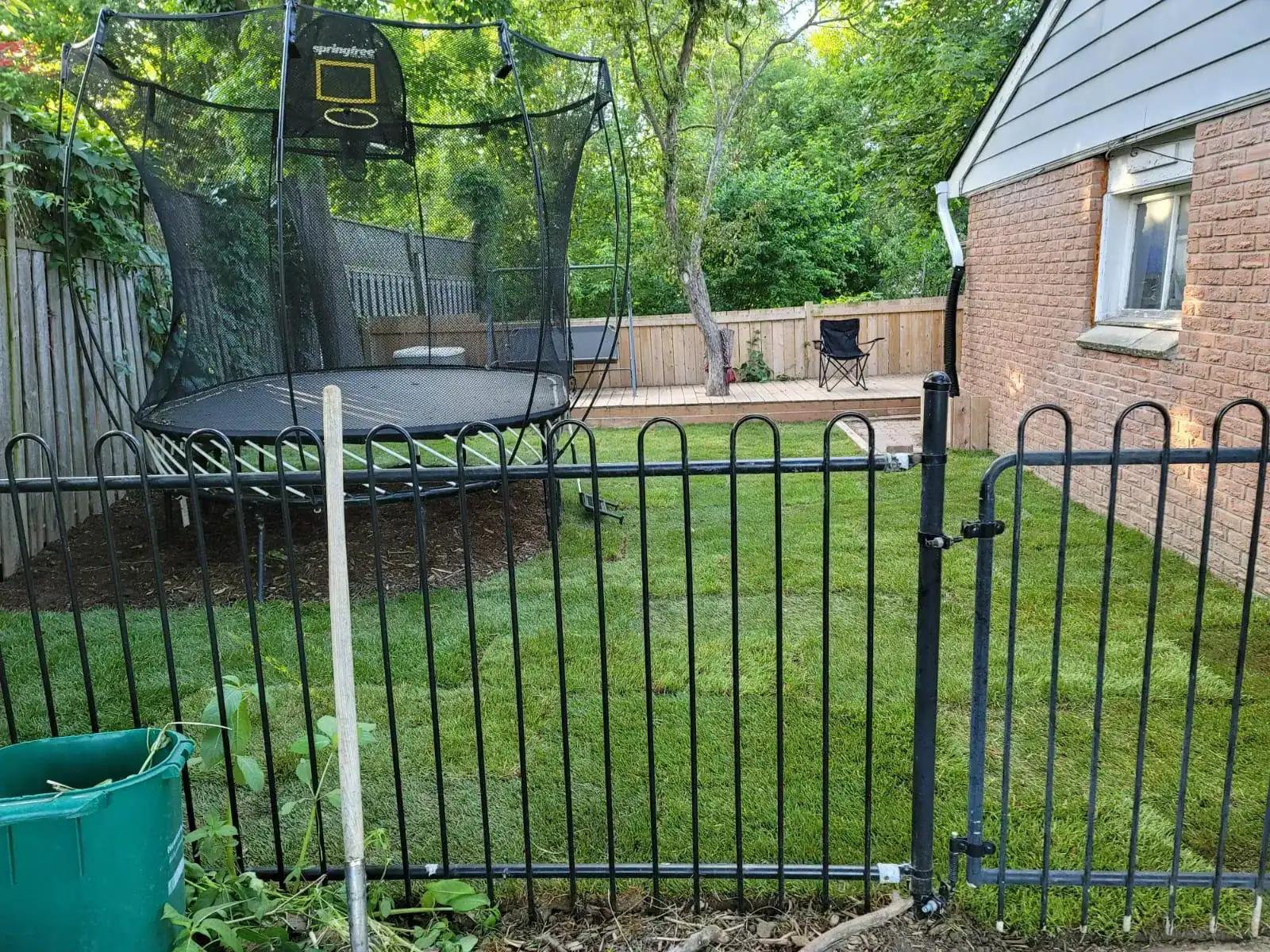
When considering privacy and long-term value, the choice of fencing material plays a crucial role. Solid wood or vinyl fences provide the highest levels of privacy. They can be constructed high enough to prevent sightlines into your property. For homeowners seeking long-term investment, vinyl fencing stands out due to its durability and low maintenance requirements.
What Are the Privacy Benefits of Different Fence Types?
Fences such as vinyl and solid wood are excellent choices for those prioritizing privacy. They can potentially obstruct unwanted views effectively. Meanwhile, chain link offers less privacy but can be enhanced with privacy slats to improve visual barriers.
How Do Durability and Lifespan Affect the Best Fence Choice?
Durability largely dictates the life expectancy of a fence, influencing performance over time. Vinyl can last decades with minimal maintenance, whereas wood may require more frequent replacement or repair. Assessing lifespan against installation and maintenance costs is vital for maximizing the investment in fencing.