Discover the Best Interlocking Pavers for Your Patio: Guide to Durable Patio Paving Stones and Installation
By Dan B,My Landscapers Inc.
When considering outdoor spaces, interlocking pavers are a top choice for patio design due to their versatility, durability, and aesthetic appeal. This guide will explore the best materials for interlocking pavers, installation methods, and maintenance practices. By understanding these elements, homeowners can make informed decisions to enhance their patios effectively. Whether you’re looking to create an inviting space for gatherings or an elegant pathway, interlocking pavers provide numerous benefits. We will cover material comparisons, DIY possibilities, maintenance tips, and design considerations to help you maximize the beauty and longevity of your patio.
What Are the Best Materials for Interlocking Patio Pavers?
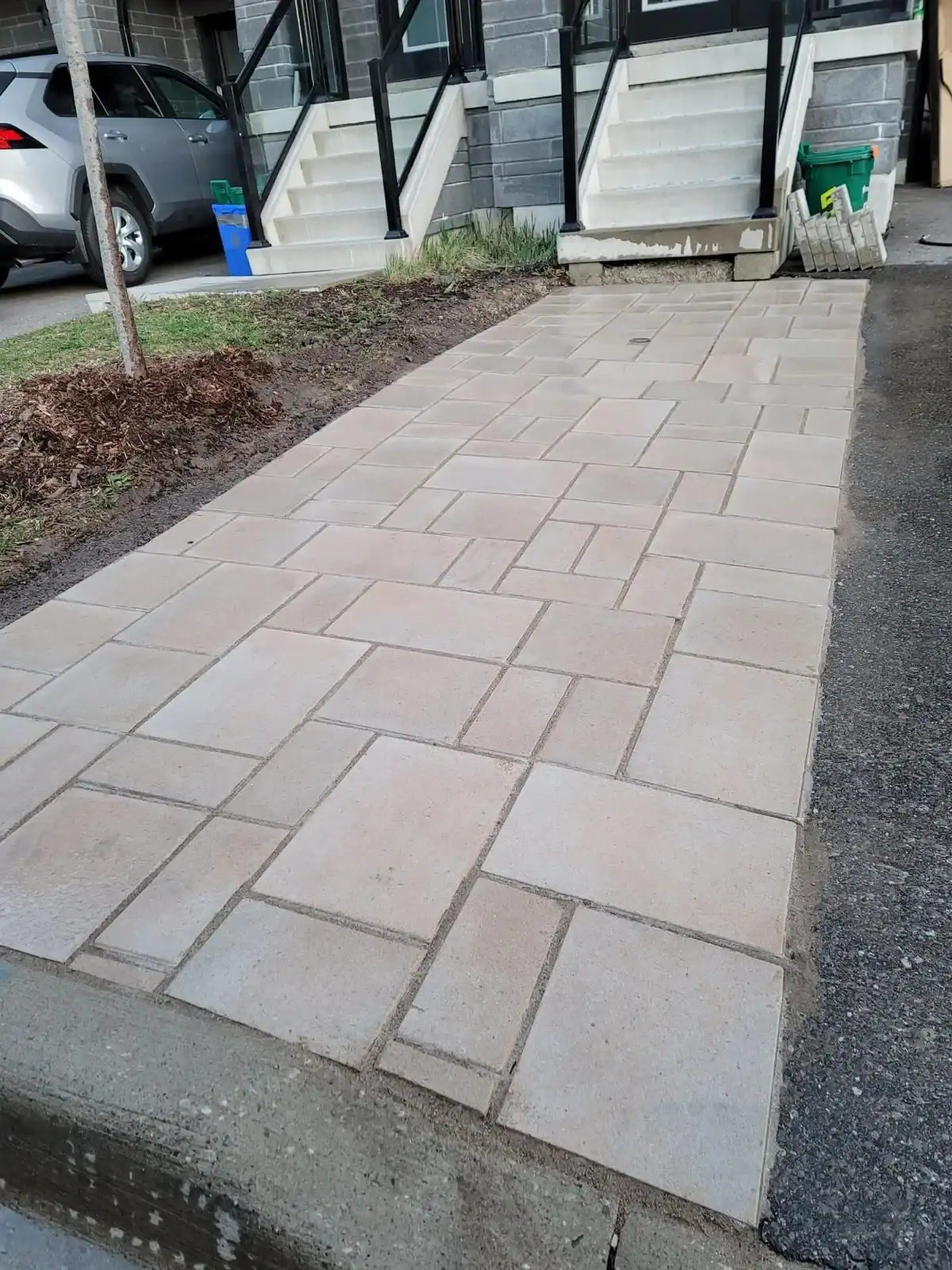
Interlocking patio pavers are typically made from a variety of materials, each offering unique benefits in terms of durability, maintenance, and aesthetics. The most common materials include concrete, brick, and permeable pavers, each serving different landscaping needs. For professional landscaping solutions and expert installations, consider exploring interlocking patios.
Concrete pavers are known for their strength and low maintenance requirements, making them a popular choice for high-traffic areas. Brick pavers add a classic look, providing a timeless elegance, but they may require a bit more maintenance than their concrete counterparts. Meanwhile, permeable pavers are excellent for eco-conscious homeowners, as they allow water to seep through, promoting drainage and reducing runoff.
Understanding the strengths and weaknesses of these materials is crucial for selecting the best option that aligns with your patio design goals.
This table highlights the key characteristics of popular interlocking paver materials, aiding you in making an educated choice for your patio.
How Do Concrete, Brick, and Permeable Pavers Compare in Durability and Appearance?
When comparing the durability and appearance of concrete, brick, and permeable pavers, it becomes clear that each material has distinct advantages. Concrete pavers are typically the most durable, ideal for heavy usage, while brick pavers offer a warm, traditional aesthetic. Permeable pavers are beneficial for their environmental advantages, allowing rainwater to penetrate and reduce flooding.
Visually, all three types can enhance the patio design when properly installed. However, concrete can be easily customized with color and texture, while the natural colors of brick provide a unique charm. Permeable pavers come in various styles yet often retain a more modern look due to their functional design.
Comparison of Durability & Appearance
This comparison table succinctly outlines how each type of interlocking paver can meet distinct design needs and environmental considerations.
How to Install Interlocking Pavers for a Long-Lasting Patio?
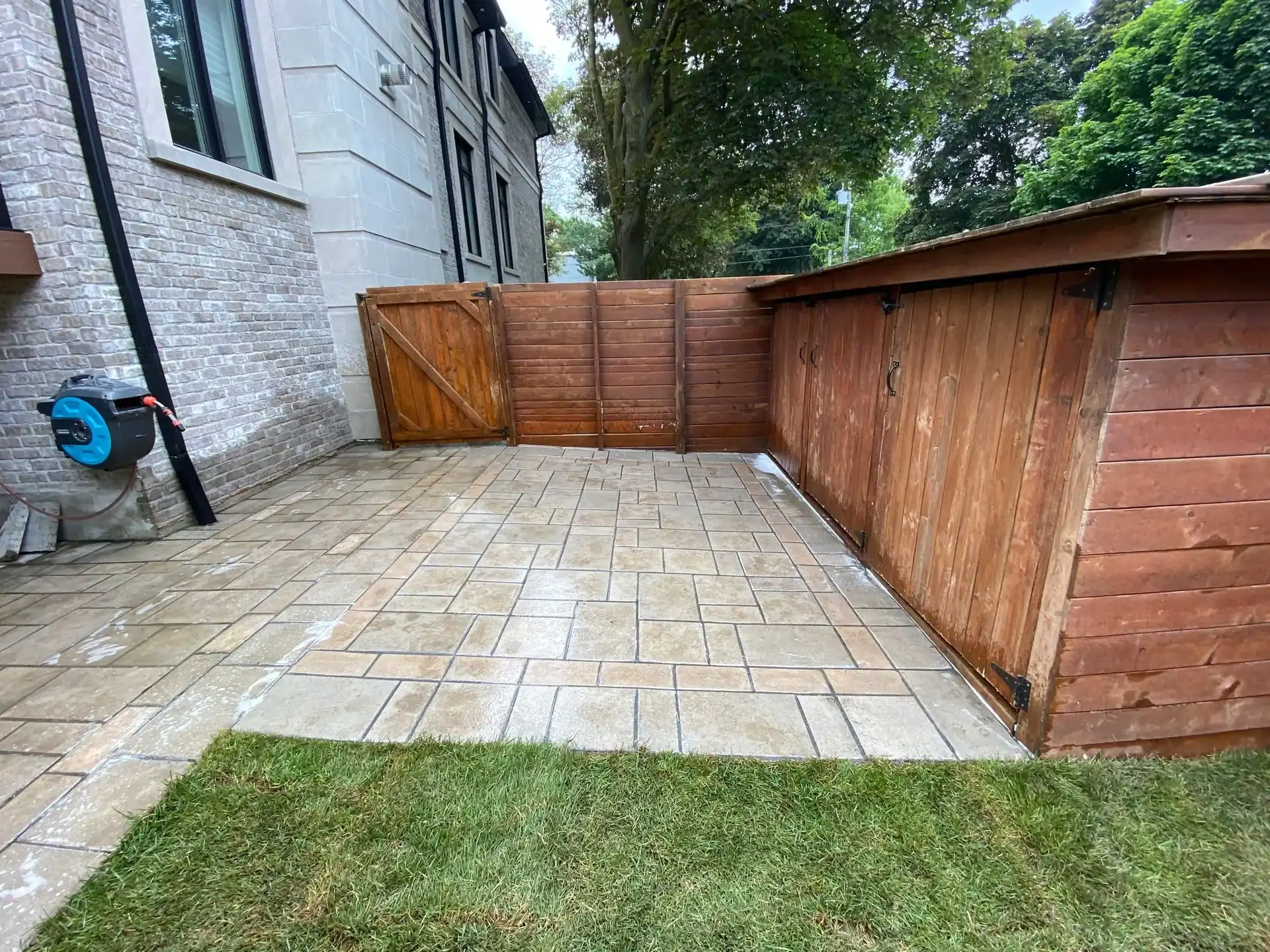
Installing interlocking pavers is a straightforward process that, when done properly, can yield a beautiful and durable patio. Begin by preparing the foundation, which may involve compacting the soil and adding a gravel base for drainage.
Next, lay the pavers in the desired pattern, ensuring to leave appropriate space for joint sand, which helps lock the pavers in place. Once laid, vibrating the pavers will settle them into position and help prevent shifting. Finally, applying a sealant can protect the surface from stains and wear.
Following these steps will result in a patio that not only looks fantastic but will stand the test of time.
Can You Successfully Install Interlocking Patio Pavers Yourself?
Yes, many homeowners successfully install interlocking patio pavers themselves, provided they have the right tools and follow the necessary steps. Key tools include a rubber mallet, a level, and a compactor.
Understanding the steps outlined previously will empower you to achieve a professional-looking result independently. However, be aware that challenges can arise, such as uneven surfaces or misaligned pavers. Preparing adequately and researching installation techniques, like using edge restraints, will support success. Building a solid foundation is key for any patio installation. For more on professional installation, you can explore resources on interlocking patio installation.
With patience and attention to detail, a DIY installation can be fulfilling and result in significant cost savings.
How to Maintain and Ensure Durability of Your Interlocking Patio Pavers?
Proper maintenance is essential for ensuring the durability of interlocking pavers. Regular cleaning to remove debris and stains, along with pressure washing, can help keep the surface looking its best. It is advisable to seal the pavers periodically to protect them from the elements and enhance their color.
In addition to cleaning and sealing, addressing weeds early by using appropriate herbicides or manual removal can prevent cracks and maintain the integrity of your patio. Taking these steps will prolong the life of the pavers and preserve the beauty of your space.
Recommended Maintenance Practices for Different Paver Materials
Each type of paver requires specific maintenance:
- Concrete Pavers: Clean with a pressure washer and reapply sealant every few years.
- Brick Pavers: Consider sealing for stain protection; sweep sand into joints to refill.
- Permeable Pavers: Regularly remove debris to avoid clogging; occasional power washing will maintain drainage.
These practices are tailored to maintain the longevity and appearance of your chosen interlocking materials effectively.
How Long Can You Expect Interlocking Pavers to Last Under Proper Care?
Interlocking pavers can last for decades, often 20-30 years or more, when properly maintained. Factors such as the quality of materials, installation techniques, and environmental conditions will affect their lifespan.
Investing in high-quality pavers and conducting regular maintenance can significantly enhance their durability. Conditions, such as extreme weather or heavy traffic, may also influence how long your patio will remain in top condition.
Optimizing Interlocking Paver Mix for Durability
The researchers recommend an optimum mix design comprising 20% recycled fine aggregates, 25% recycled coarse aggregates, and a water-cement ratio of 0.4, as this combination can provide high compressive strength, low water absorption, and improved wear resistance, ensuring the long-term sustainability and durability of the pavement system.
Sustainable Interlocking Concrete Paver Blocks from Recycled Road Demolition Waste: An Experimental Taguchi-Based Approach, KD Marcos, 2025
By keeping these factors in mind, homeowners can enjoy their outdoor spaces for many years to come.
What Design Ideas and Buying Tips Enhance Your Patio With Interlocking Pavers?
When considering design ideas for your patio, integrating interlocking pavers can enhance both functionality and aesthetic appeal. Using different colors and patterns can create visual interest, while appropriately placing outdoor furniture can maximize utility.
When purchasing pavers, opting for reputable suppliers ensures the best quality materials. Look for options with warranties or guarantees, which reflect the manufacturer’s confidence in their product. Additionally, consider incorporating lighting features, such as LED paver lights, to extend patio use into the evening.
Employing these design ideas and tips will help create a stunning patio that reflects your style and meets your needs.